

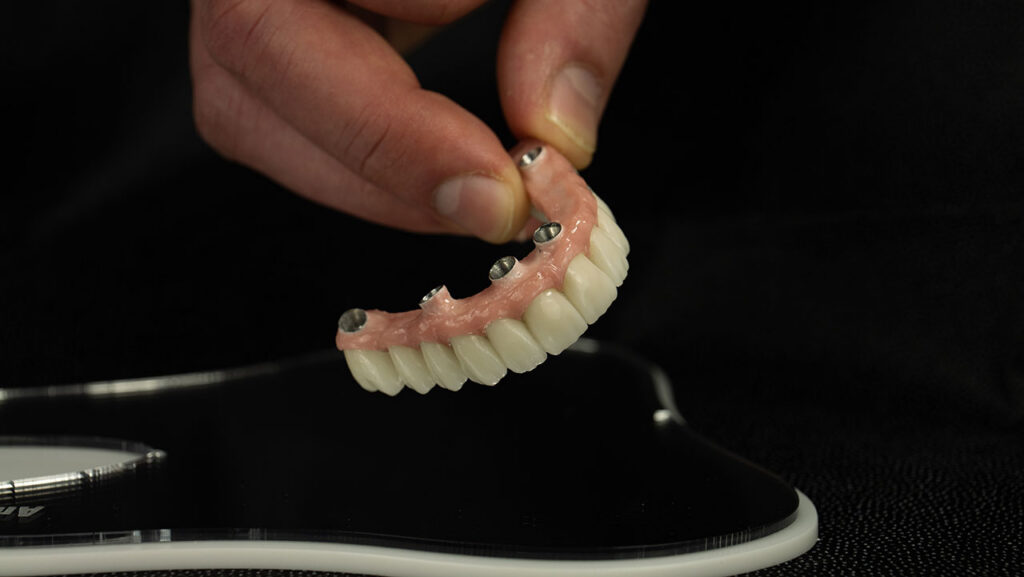
A secure smile can change the way a person moves through the day. It can make meals feel easier, conversations feel more relaxed, and daily routines feel less stressful. For people who struggle with loose traditional dentures, Snap-in Dentures may offer a more stable option. They are designed to attach to dental implants, giving the denture a firmer hold while still allowing it to be removed for cleaning.
What Snap-in Dentures Are
Snap-in Dentures are removable dentures that connect to dental implants placed in the jawbone. Instead of resting only on the gums, they “snap” onto special attachments connected to implants. This added support helps reduce slipping, rocking, and movement during normal activities like eating and speaking.
Traditional dentures can be helpful for replacing missing teeth, but they may not feel secure for every patient. Some dentures move when chewing. Others may rub the gums or require adhesive to stay in place. Snap-in Dentures are designed to improve stability by using implants as anchors.
The number of implants needed can vary. Some patients may need two implants to support a lower denture, while others may need more implants for added strength. The right plan depends on the patient’s jawbone, gum health, bite, and goals.
Snap-in Dentures are different from fixed full-arch implant restorations. A fixed restoration stays in the mouth and is removed only by a dental professional. Snap-in Dentures can be taken out by the patient for daily cleaning and while sleeping, depending on the instructions given by the dental team.
This makes Snap-in Dentures a helpful middle ground for many people. They offer more support than traditional removable dentures, but they are still easy to remove and clean.
Why Denture Stability Matters
Loose dentures can affect more than comfort. When dentures shift, eating may become harder. Patients may avoid certain foods because they worry the denture will move. Over time, this can limit food choices and make meals less enjoyable.
Speech can also be affected. A denture that moves may make it harder to pronounce words clearly. Some patients find themselves speaking more carefully because they are trying to keep the denture in place.
Gum irritation is another concern. If a denture rubs or rocks, it may create sore spots. This can make wearing the denture uncomfortable and may lead to repeated adjustment visits.
Snap-in Dentures help address these concerns by creating a more stable fit. The implants act like support posts, helping the denture stay in position. This can make eating, speaking, and smiling feel more natural.
Stability can also improve confidence. When patients trust that their teeth will stay in place, they may feel more comfortable in social settings. A secure denture can make a major difference in everyday life.
How Snap-in Dentures Work With Dental Implants
Dental implants are small posts placed in the jawbone. After placement, the bone heals around the implants and helps hold them firmly in place. Once the implants are ready, attachments are added so the denture can snap on and off.
The denture has matching parts on the underside. These parts connect to the implant attachments. When the denture is placed in the mouth, it clicks or snaps into place. The result is a removable denture that feels more secure than one that rests only on the gums.
Before treatment begins, the dental team evaluates the gums, jawbone, bite, and overall oral health. Imaging may be used to study the bone and plan implant positions. This step is important because implants need healthy support.
If gum disease is present, it may need to be managed before implant placement. If the jawbone is too thin or weak in certain areas, bone grafting may be discussed. Not every patient needs extra preparation, but careful planning helps improve the outcome.
After the implants are placed, healing time is needed. Some patients may use their current denture during healing, possibly with adjustments. Once the implants have healed, the final Snap-in Dentures are made or modified to connect securely.
Benefits of Snap-in Dentures
Snap-in Dentures offer several benefits for patients who want more stability than traditional dentures. One major benefit is improved chewing comfort. Because the denture connects to implants, it may move less during meals. This can help patients enjoy a wider range of foods.
Another benefit is better speech support. A more stable denture can make words feel easier to form, especially for patients who have struggled with movement from a loose denture.
Snap-in Dentures can also reduce the need for denture adhesive. Some patients dislike the taste, texture, or mess of adhesive. Implant support may help the denture stay in place without relying on adhesive as often.
They may also help protect the jawbone. Dental implants provide stimulation to the bone during chewing. This can help slow the bone shrinkage that often happens after tooth loss.
Comfort is another important benefit. Since Snap-in Dentures are more stable, they may rub less against the gums. This can help reduce sore spots for many patients.
Patients also appreciate that Snap-in Dentures are removable. They can be taken out for cleaning, which makes daily care simpler for many people.
Who May Be a Good Candidate for Snap-in Dentures?
Snap-in Dentures may be a good option for people who are missing all teeth in the upper arch, lower arch, or both. They may also help patients who already wear dentures but feel frustrated by slipping, looseness, or discomfort.
A good candidate usually needs enough healthy bone to support dental implants. Gum health is also important because the implants depend on the tissue and bone around them. Patients with active gum disease may need periodontal care first.
General health matters too. Conditions that affect healing should be reviewed before treatment. Smoking, uncontrolled diabetes, certain medications, and other health concerns can affect implant success. These factors do not always prevent treatment, but they must be discussed.
Patients should also be willing to care for both the denture and the implants. Snap-in Dentures need regular cleaning. The attachments also need to be checked and may need replacement over time as they wear.
The best way to know if this treatment is right is to schedule an evaluation. A personalized exam can show what is possible and whether Snap-in Dentures are the best fit compared with traditional dentures, implant bridges, or fixed full-arch options.
Caring for Snap-in Dentures
Daily care is important for keeping Snap-in Dentures comfortable and clean. The denture should be removed and cleaned as directed. The gums, tongue, and implant attachments should also be cleaned carefully.
Patients may need special brushes or cleaning tools to remove plaque around the implant attachments. Keeping these areas clean helps protect the gums and bone around the implants.
It is also important to attend regular maintenance visits. During these visits, the dental team can check the fit of the denture, inspect the attachments, clean around the implants, and monitor the health of the gums.
Over time, small parts that help the denture snap into place may wear down. If the denture starts to feel less secure, the attachments may need to be replaced or adjusted. This is normal and can often be handled during a routine visit.
Patients should avoid using harsh cleaners, hot water, or abrasive materials unless recommended. These can damage the denture. Following the care instructions helps protect the investment and keeps the denture working well.
What to Expect When Adjusting to Snap-in Dentures
Even with improved stability, there may be an adjustment period. The mouth needs time to get used to the new fit and feel. Speaking and eating may feel different at first, but most patients improve with practice.
Soft foods are often easier in the beginning. As comfort increases, patients may slowly add more foods. Chewing evenly on both sides can help the denture feel balanced.
Patients should report sore spots, pressure areas, or trouble snapping the denture into place. Small adjustments can make a big difference in comfort.
It is also helpful to remember that Snap-in Dentures are a partnership between professional care and home care. The implants provide the support, but daily cleaning and routine visits help keep the system healthy.
A More Secure Way to Enjoy Daily Life
Snap-in Dentures can be a strong option for patients who want more stability than traditional removable dentures. By connecting to dental implants, they can improve chewing comfort, support speech, reduce slipping, and help patients feel more confident during everyday moments.
This treatment is not one-size-fits-all. The best results come from a careful exam, healthy gums, strong implant planning, and a clear maintenance routine. For many patients, Snap-in Dentures offer a practical and comfortable path toward a more secure smile.
Ready to learn whether Snap-in Dentures may be right for you? Contact Sapphire Periodontics and Implant Dentistry at (954) 797-6866 to schedule a consultation with Dr. Desai at 7390 NW 5th ST, STE 9 Plantation, FL 33317.