

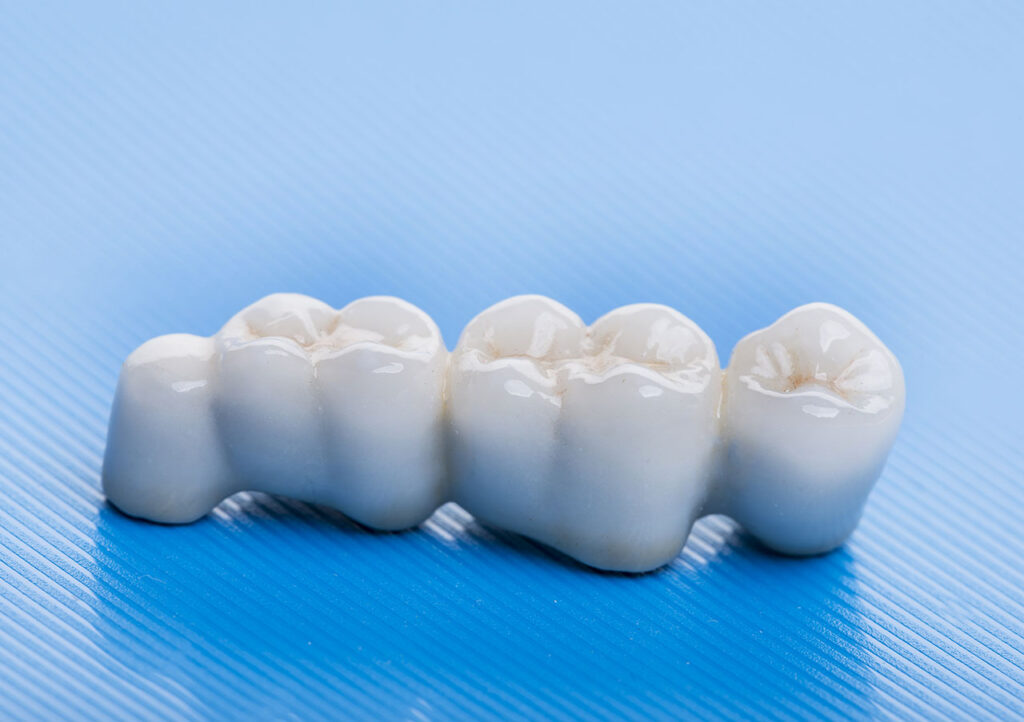
When several teeth are missing in a row, the space can do more than change a smile. It can make chewing harder, affect speech, and place extra pressure on the remaining teeth. Implant Bridges are designed to replace multiple missing teeth with a stable, fixed solution that does not rely on removable appliances. For many patients, this treatment offers a practical way to regain comfort, function, and a more complete smile.
What Implant Bridges Are
Implant Bridges are tooth replacements supported by dental implants. Instead of using natural teeth on each side of the gap for support, the bridge is anchored to implants placed in the jawbone. This allows the bridge to feel secure while replacing several missing teeth at once.
A traditional bridge is often supported by neighboring teeth. Those teeth may need to be reshaped so crowns can hold the bridge in place. Implant Bridges work differently. They use implants as the support system, which can help protect nearby natural teeth from extra treatment.
An implant bridge may replace two, three, four, or more missing teeth depending on the patient’s needs and the amount of bone available. The final bridge is custom designed to fit the bite, support chewing, and blend with the smile.
This treatment can be helpful for patients who do not want a removable partial denture. Since Implant Bridges are fixed in place, they do not come out at night and do not shift while eating or speaking. That stability is one of the main reasons patients consider this option.
Why Missing Several Teeth Should Not Be Ignored
When several teeth are missing, the mouth has to adjust. Chewing may become uneven. Patients may start favoring one side of the mouth, which can place more stress on the teeth that remain. Over time, this can lead to tooth wear, bite changes, or discomfort.
Missing teeth can also affect the jawbone. When tooth roots are gone, the bone in that area may begin to shrink. Implant Bridges help address this issue because the implants act like replacement roots. They provide stimulation to the jawbone when chewing.
The open space can also affect appearance. Missing teeth may change the way the cheeks and lips are supported. A well-planned implant bridge can help restore a more natural smile shape.
Speech may be affected too. Teeth help guide the tongue and shape sounds. Gaps can make certain words less clear. Implant Bridges can help restore the structure needed for more confident speech.
Ignoring missing teeth may make future treatment more complex. Teeth can drift, bone can shrink, and the bite can change. Replacing the teeth with a stable option can help preserve oral health and make daily life easier.
How Implant Bridges Are Planned
Planning Implant Bridges starts with a detailed exam. The dental team evaluates the gums, jawbone, bite, and remaining teeth. Imaging may be used to see the bone and plan where implants should be placed.
The number of implants needed depends on the size of the gap, bone support, bite force, and final bridge design. Not every missing tooth needs its own implant. In many cases, a few carefully placed implants can support a bridge that replaces several teeth.
Gum health must also be considered. Healthy gums and bone are important for implant success. If periodontal disease is present, it may need to be managed before implant placement. If the jawbone has changed because teeth have been missing for a long time, bone grafting may be discussed.
Once the plan is ready, the implants are placed in the jaw. Healing time allows the implants to bond with the bone. During this period, temporary tooth replacement options may be available depending on the case.
After healing, the final implant bridge is made and attached. It is shaped to fit the bite and designed to look natural. The goal is a bridge that feels secure, supports chewing, and matches the patient’s smile.
Benefits of Implant Bridges
Implant Bridges offer several benefits for patients missing multiple teeth. One of the biggest benefits is stability. Since the bridge is attached to dental implants, it does not move around like some removable options can.
Another benefit is stronger chewing support. Implant Bridges allow many patients to eat a wider range of foods with more confidence. This can make meals more enjoyable and help support better nutrition.
Implant Bridges also help protect jawbone health. The implants provide stimulation to the bone, which can help reduce bone shrinkage in the treated area.
They may also protect nearby natural teeth. Since the bridge is supported by implants, nearby teeth may not need to be reshaped for crowns. This can be a major advantage when surrounding teeth are healthy.
Patients often appreciate the natural appearance of Implant Bridges. The bridge can be designed to match tooth color, shape, and size so it blends with the smile.
Convenience is another benefit. Implant Bridges stay in the mouth and are cleaned with regular home care tools and special aids recommended by the dental team. There is no need to remove the bridge overnight.
Implant Bridges Compared With Removable Options
A removable partial denture can replace several missing teeth, and it may be the right choice for some patients. However, removable appliances can sometimes shift, rub the gums, or feel less natural during meals.
Implant Bridges are fixed. That means they are attached to implants and stay in place. For patients who want something that feels more like natural teeth, this can be a strong advantage.
Another difference is bone support. Removable partial dentures rest on the gums and do not replace tooth roots. Implant Bridges are supported by implants in the jaw, which helps stimulate the bone.
The right choice depends on health, budget, goals, and anatomy. Some patients may be ready for implants right away. Others may need treatment first to improve gum or bone health. A professional consultation helps clarify the best path.
Caring for Implant Bridges
Implant Bridges need daily care, just like natural teeth. Food and plaque can collect around the bridge and gums. Patients may need floss threaders, water flossers, interdental brushes, or other tools to clean under and around the bridge.
Professional maintenance is also important. The dental team can check the implants, gum tissue, bone support, and bite. Regular visits help catch small concerns before they become larger problems.
Patients should avoid chewing hard objects that could damage the bridge. If grinding or clenching is present, a nightguard may be recommended to protect the restoration.
With good care, Implant Bridges can provide years of stable function. They are not a set-it-and-forget-it treatment. They are a long-term solution that works best with regular attention and support.
A Stable Way to Replace Multiple Missing Teeth
Implant Bridges can be an excellent option for patients who want to replace several missing teeth with a fixed, secure, and natural-looking solution. They can improve chewing, support speech, protect the jawbone, and help restore confidence in daily life.
The most important part of treatment is planning. Every mouth is different, and the best results come from evaluating the gums, bone, bite, and smile as a whole.
If you are missing multiple teeth and want to learn whether Implant Bridges may be right for you, contact Sapphire Periodontics and Implant Dentistry at (954) 797-6866 to schedule a consultation with Dr. Desai at 7390 NW 5th ST, STE 9 Plantation, FL 33317.