Treat gum disease at its source with a thorough deep cleaning procedure performed by Dr. Yash Desai at our Plantation, FL office.
A deep cleaning, also known as scaling and root planing, is the primary non-surgical treatment for gum disease. When gum disease progresses beyond what a regular cleaning can address, bacterial buildup forms below the gumline and around the roots of the teeth. A deep cleaning in Plantation removes this buildup and smooths the root surfaces to help the gums reattach, halt the progression of disease, and restore health to the supporting tissues around your teeth.
At Sapphire Periodontics & Implant Dentistry, Dr. Yash Desai is specifically trained in the diagnosis and non-surgical management of periodontal disease. A deep cleaning performed in our office is a focused, carefully executed procedure designed to produce real, lasting improvement in your gum health.
Scaling and root planing is a two-part procedure. Scaling involves removing tartar and bacterial deposits from the tooth surfaces, both above and below the gumline. Root planing smooths the root surfaces of the teeth, making it more difficult for bacteria to adhere and easier for the gum tissue to heal and re-establish a healthy attachment.


Stops Gum Disease from Progressing
Left untreated, gum disease advances and destroys the bone and tissue that support your teeth, eventually leading to tooth loss. A deep cleaning interrupts this process.
Reduces Pocket Depth
Periodontal pockets form when gum tissue separates from the teeth due to disease. Deep cleaning reduces pocket depth and creates a healthier environment around each tooth.
Decreases Bleeding and Inflammation
Patients typically notice a significant reduction in gum bleeding and swelling after completing scaling and root planing and following proper home care instructions.
Protects Your Overall Health
Periodontal disease has been linked to systemic health conditions including heart disease, diabetes, and respiratory illness. Treating gum disease is an investment in your overall wellbeing, not just your smile.
Non-Surgical Treatment Option
For many patients, a deep cleaning is all that is needed to bring gum disease under control, avoiding the need for surgical intervention when treatment begins early enough.
Step 1: Periodontal Evaluation
Dr. Desai will measure the depth of the pockets around each tooth and assess the degree of bone loss and gum inflammation to determine the appropriate treatment plan.
Step 2: Anesthesia
Local anesthesia is used to ensure the procedure is comfortable. Oral sedation is available for patients with anxiety or sensitivity.
Step 3: Scaling
Using specialized instruments, Dr. Desai carefully removes tartar and bacterial deposits from all tooth surfaces, including deep below the gumline.
Step 4: Root Planing
The root surfaces are smoothed to remove any remaining bacterial contamination and to create a clean surface that encourages healthy gum reattachment.
Step 5: Re-Evaluation
Several weeks after your deep cleaning, Dr. Desai will
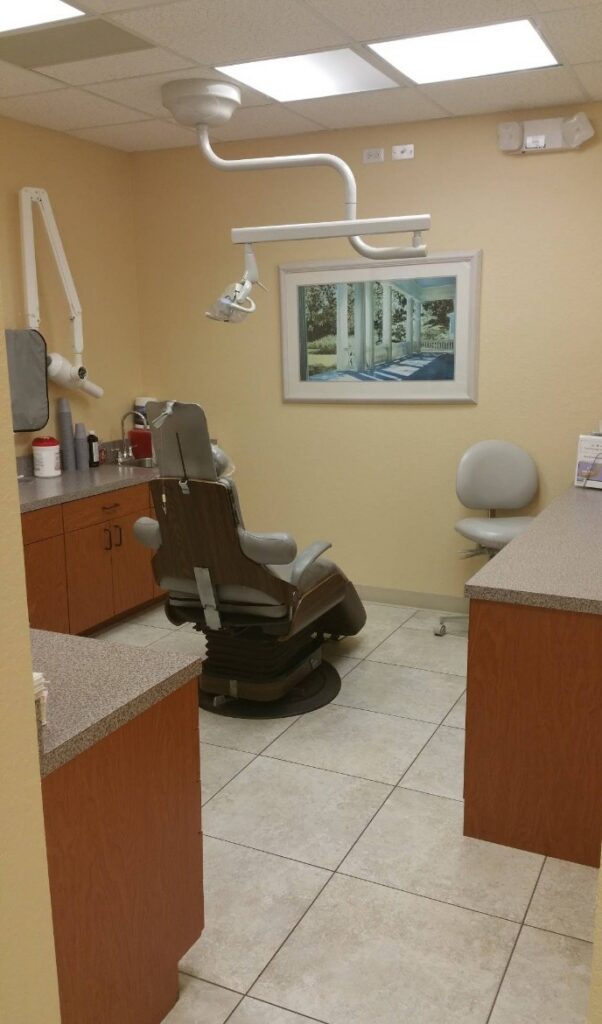
Our friendly team is here to help with anything you need — from insurance questions to treatment details.
The procedure is performed under local anesthesia so you should feel little to no discomfort during treatment. Some sensitivity and mild gum soreness in the days following is normal.
A regular cleaning removes plaque and tartar from the visible surfaces of your teeth and just slightly below the gumline. A deep cleaning goes significantly further beneath the gumline to address infection and disease in the periodontal pockets.
Deep cleanings are typically completed over two appointments, treating one side of the mouth at each visit. This allows for focused, thorough treatment and comfortable recovery between sessions.
After your re-evaluation, Dr. Desai will determine whether your gum disease has responded well to non-surgical treatment or whether additional procedures such as periodontal surgery are needed. Many patients maintain their results with regular periodontal maintenance visits.
Most patients with a history of gum disease are placed on a periodontal maintenance schedule, which typically involves a professional cleaning every three to four months rather than the standard six-month interval.
Posted on Google
 Shar
SharTrustindex verifies that the original source of the review is Google.
Great experience with Dr. Desai and staff.Posted on Google Ann Sholar
Trustindex verifies that the original source of the review is Google.
Fabulous results! The lab they use is great! The dentist and staff are so friendly. They made me feel so comfortable. Highly recommend!Posted on Google Ladi TeeEvery one was very Professional, kind, welcoming and the environment was clean.Posted on Google
 Vincenzina DisalvoKathy the dental assistant is amazing . Front desk staff very accommodating. Great overall experience and would highly recommend.Posted on Google
 Barry JayThe Dr. and staff here..... they're all fantastic. Professional and knowledgeable. I highly recommend Dr Leiderman and staffPosted on Google
 Henry WilsonI am very happy with my new upper teeth!Posted on Google
 King of all MoversDr. Leiderman and staff provided excellent, pain free, service while installing an implant post.Posted on Google
 Johann Peña SerranoI can confidently say it was one of the best dental experiences I've ever had! From the moment I walked in, I was greeted by a warm and friendly staff who made me feel right at home. The waiting area was clean, comfortable, and equipped with a variety of magazines and refreshments, which made the wait enjoyable.Posted on Google
 Blue FaceGreat work